Key Takeaways: Central Florida Tree Trimming
Optimal Timing
- Best trimming window: November through March during dormancy
- Complete major pruning before June to prepare for hurricane season
- Avoid heavy pruning during hot summer months to reduce tree stress
Species-Specific Guidelines
- Live oaks: Never top; prune during dormancy to prevent oak wilt disease
- Palms: Only remove completely brown fronds; avoid “hurricane cuts” that weaken trees
- Crape myrtles: Use selective thinning instead of severe topping (“crape murder”)
- Citrus: Prune after harvest but before spring flowering for best fruit production
Critical Pruning Techniques
- Use three-cut method on large branches to prevent bark tearing
- Make cuts just outside the branch collar, never flush to trunk
- Thinning cuts are superior to heading cuts for maintaining natural structure
- Tree wound sealants are unnecessary and may impede natural healing
Safety and Professional Help
- Never trim trees near power lines yourself—contact utility company
- Hire ISA Certified Arborists for large trees, storm damage, or complex work
- Professional help recommended for trees requiring climbing or aerial equipment
Storm Preparation
- Thin dense canopies to reduce wind resistance before hurricane season
- Remove dead branches and weak co-dominant stems proactively
- Proper maintenance reduces property damage risk during tropical storms
Local Regulations
- Check municipal tree preservation ordinances before trimming large trees
- Permits may be required for protected species or significant removals
- HOA guidelines may restrict tree maintenance activities
Central Florida’s unique subtropical climate creates ideal growing conditions for a diverse array of trees, from majestic live oaks to tropical palms. However, this same climate that encourages vigorous growth also necessitates regular tree trimming and pruning to maintain healthy, safe, and aesthetically pleasing landscapes. Understanding the specific needs of different tree species in the Central Florida region is essential for proper tree care and maintenance.
Why Tree Trimming Matters in Central Florida
The Central Florida climate, characterized by hot, humid summers and mild winters, presents unique challenges for tree management. Regular trimming and pruning serve multiple critical purposes: promoting tree health, preventing storm damage during hurricane season, maintaining property safety, enhancing curb appeal, and ensuring trees don’t interfere with power lines or structures. The region’s frequent afternoon thunderstorms and occasional hurricanes make proper tree maintenance not just aesthetic but essential for safety.
Best Times for Tree Trimming in Central Florida
Timing is crucial when trimming trees in Central Florida. The optimal pruning season typically falls between late fall and early spring, specifically from November through March, when trees are dormant or experiencing slower growth. This timing minimizes stress on trees and reduces the risk of pest infestation or disease transmission. However, dead or hazardous branches should be removed immediately regardless of season. Light pruning can be performed year-round for most species, though heavy pruning during the active growing season should be avoided.
Hurricane season preparation requires special attention. Homeowners should complete major trimming projects before June, allowing trees time to heal before storm season peaks between August and October. Post-storm damage assessment and cleanup may necessitate immediate attention regardless of the calendar. Not all variety of trees require the same pruning techniques.
Common Central Florida Trees and Their Pruning Needs
Live Oak Trees
Live oaks are iconic to Central Florida landscapes, known for their massive canopies and sprawling branches. These trees require minimal pruning but benefit from strategic trimming to remove dead wood, thin dense canopies for wind penetration, and eliminate crossing branches. Live oaks should never be topped, as this practice severely damages the tree’s structure and health. Instead, focus on maintaining the tree’s natural shape while ensuring adequate clearance from structures. Professional arborists recommend pruning live oaks during their dormant period to prevent oak wilt disease transmission.
Palm Trees
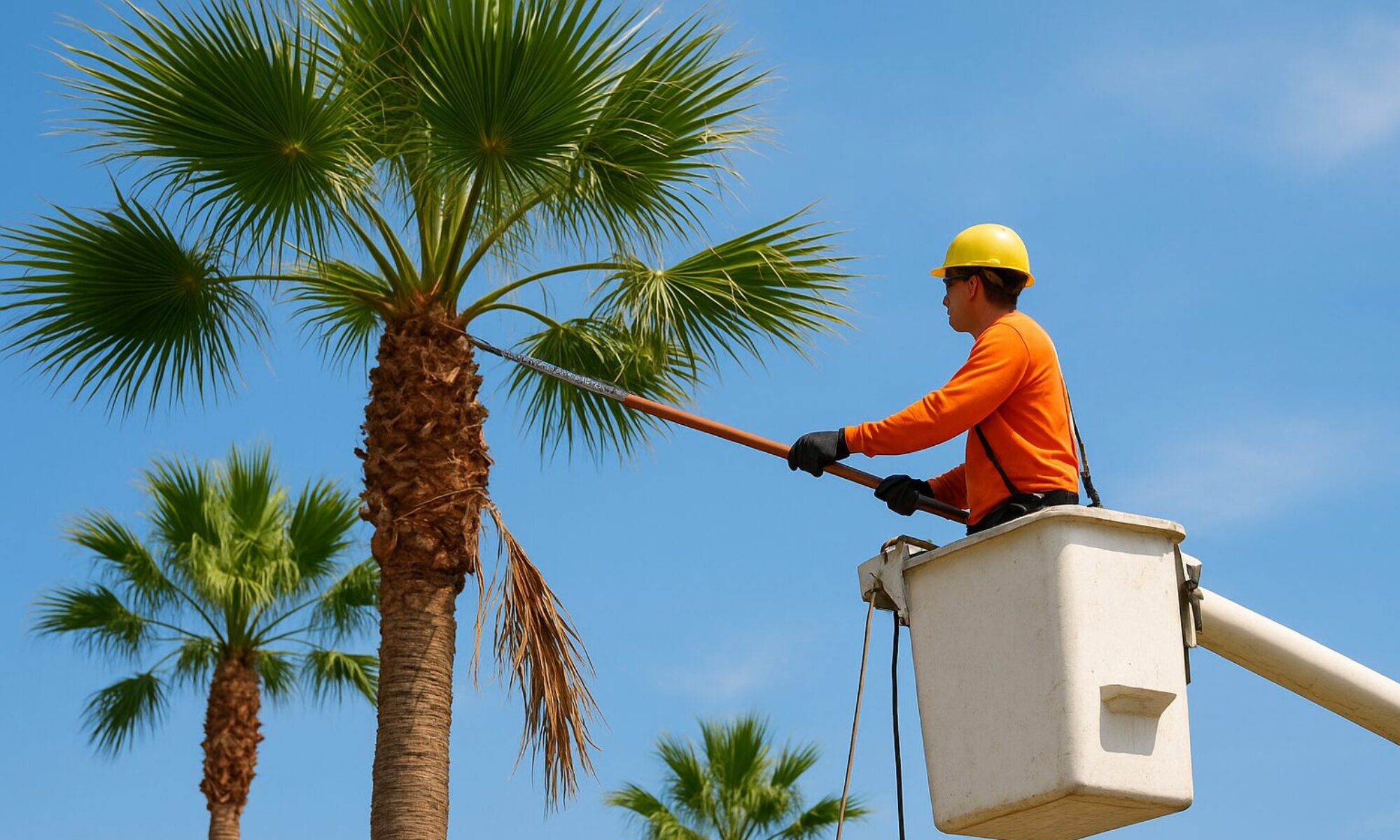
Central Florida hosts numerous palm species, including queen palms, date palms, and sabal palms. Palm trimming differs significantly from hardwood tree pruning. Only completely brown fronds should be removed, as over-trimming reduces the palm’s ability to photosynthesize and can weaken the tree. The “hurricane cut” that removes all but the newest fronds is actually detrimental to palm health. Proper palm maintenance involves removing dead fronds, seed pods that could become projectiles, and loose petioles while preserving green fronds. Self-cleaning palm varieties like royal palms require less frequent maintenance.
Crape Myrtles
These flowering trees are Central Florida favorites but are often victims of “crape murder,” the practice of severe topping. Proper crape myrtle pruning involves selective thinning, removing suckers from the base, eliminating crossing branches, and making clean cuts to maintain natural form. Light pruning to shape the tree and remove spent flower clusters can be performed after blooming cycles. Winter is ideal for more substantial structural pruning when the tree is dormant and its branching pattern is clearly visible.
Citrus Trees
Many Central Florida residents maintain citrus trees for fresh fruit production. These trees benefit from annual pruning to maintain size, improve air circulation, remove dead wood and disease, and enhance fruit production. Citrus should be pruned after harvest but before spring flowering. Remove water sprouts, suckers below the graft union, and any branches showing signs of disease. Maintaining an open canopy allows sunlight penetration and improves fruit quality.
Southern Magnolias
These evergreen trees with glossy leaves and fragrant blooms require minimal pruning. When necessary, magnolia trimming should focus on maintaining shape, removing lower branches for clearance, and eliminating dead or damaged wood. Because magnolias can be sensitive to heavy pruning, adopt a conservative approach and spread major trimming over multiple years if significant reshaping is needed.
Pruning Techniques and Best Practices
Proper pruning technique is as important as timing. Always use sharp, clean tools to make precise cuts that heal quickly. The three-cut method prevents bark tearing on larger branches: make an undercut, a top cut slightly further out, then remove the stub just outside the branch collar. Never leave stubs or cut flush against the trunk, as both practices impair healing. The branch collar contains cells that facilitate wound closure and should remain intact.
Thinning cuts, which remove entire branches back to their point of origin, are preferable to heading cuts that shorten branches arbitrarily. Thinning maintains natural tree structure while improving light penetration and air circulation. When removing large branches, consider the tree’s overall balance and weight distribution to prevent lopsided growth.
Wound dressings and tree paint are generally unnecessary and may actually impede healing. Trees naturally compartmentalize wounds through chemical and physical barriers. Allow the tree’s natural healing processes to function without interference, though exceptions exist for certain disease-prone species where paint may prevent pathogen entry.
Safety Considerations
Tree trimming can be hazardous work, especially for large trees or those near power lines. Homeowners should assess risks carefully before attempting DIY trimming. Professional arborists have specialized equipment, training, and insurance to handle challenging situations safely. Never attempt to trim trees touching or near power lines—contact your utility company instead. When working on ladders, ensure stable footing and never overreach. Chainsaw operation requires proper training and safety equipment including eye protection, gloves, and hearing protection.
Recognizing When Professional Help Is Needed
While minor trimming of small trees may be manageable for homeowners, many situations demand professional expertise. Hire a certified arborist for removing large trees requiring climbing or aerial equipment, trees near structures or power lines, extensive storm damage, disease diagnosis and treatment, and when proper technique is uncertain. Look for arborists certified by the International Society of Arboriculture (ISA) and verify proper licensing and insurance coverage for any tree service you hire.
Storm Preparation and Recovery
Central Florida’s vulnerability to tropical weather makes storm-proofing trees essential. Pre-storm preparation involves removing dead branches, thinning dense canopies to reduce wind resistance, eliminating weak co-dominant stems, and ensuring adequate clearance from structures. After storms, prioritize safety when assessing damage. Remove hanging branches and address structural hazards before beginning cleanup. Some storm-damaged trees can recover with proper care, while others may require removal.
Environmental and Legal Considerations
Central Florida municipalities often have tree preservation ordinances protecting certain species and sizes. Before trimming significant trees, check local regulations regarding permits and protected species. Some homeowner associations also maintain landscaping guidelines affecting tree maintenance. Native tree preservation is increasingly emphasized in community planning, and penalties for unauthorized removal can be substantial.
Frequently Asked Questions
How often should I trim my trees in Central Florida?
Most Central Florida trees benefit from professional inspection annually, with pruning every 3-5 years for mature trees. Fast-growing species or younger trees may require more frequent attention every 1-3 years. Palm trees typically need maintenance once or twice annually to remove dead fronds.
Can I trim my trees during summer in Florida?
While minor pruning can occur year-round, major trimming should be avoided during the hot, active growing season. Summer pruning stresses trees and increases susceptibility to pests and diseases. Emergency removal of hazardous branches is the main exception to this guideline.
How much does tree trimming cost in Central Florida?
Costs vary widely based on tree size, species, accessibility, and work complexity. Small tree trimming might cost $200-$500, while large oak or pine trimming can exceed $1,000-$2,000. Palm trimming typically ranges from $100-$400 per tree. Always obtain multiple quotes from licensed, insured professionals. Stump grinding generally starts at arounf $150 and goes up from there,
What’s the difference between trimming and pruning?
These terms are often used interchangeably, though “pruning” typically refers to selective removal for tree health and structure, while “trimming” may indicate maintenance for appearance or size control. Both involve removing branches but with potentially different objectives.
Should I seal tree wounds after cutting?
Modern arboriculture research indicates that wound dressings and sealants are generally unnecessary and may trap moisture, promoting decay. Trees naturally compartmentalize wounds. Allow the tree to heal naturally unless dealing with specific disease situations where your arborist recommends treatment.
How can I find a qualified tree trimmer in Central Florida?
Look for ISA Certified Arborists with proper licensing and insurance. Check online reviews, request references, and obtain written estimates from multiple companies. Verify they follow ANSI A300 pruning standards and avoid companies offering to “top” trees or provide suspiciously low bids.
Are there trees I shouldn’t plant in Central Florida due to maintenance requirements?
Some species require extensive maintenance or are prone to problems in Central Florida. Laurel oaks have weak wood and shorter lifespans, Melaleuca trees are invasive, and Australian pines (actually Casuarina) are prohibited in many areas. Choose native or well-adapted species appropriate for your property size and maintenance capacity.