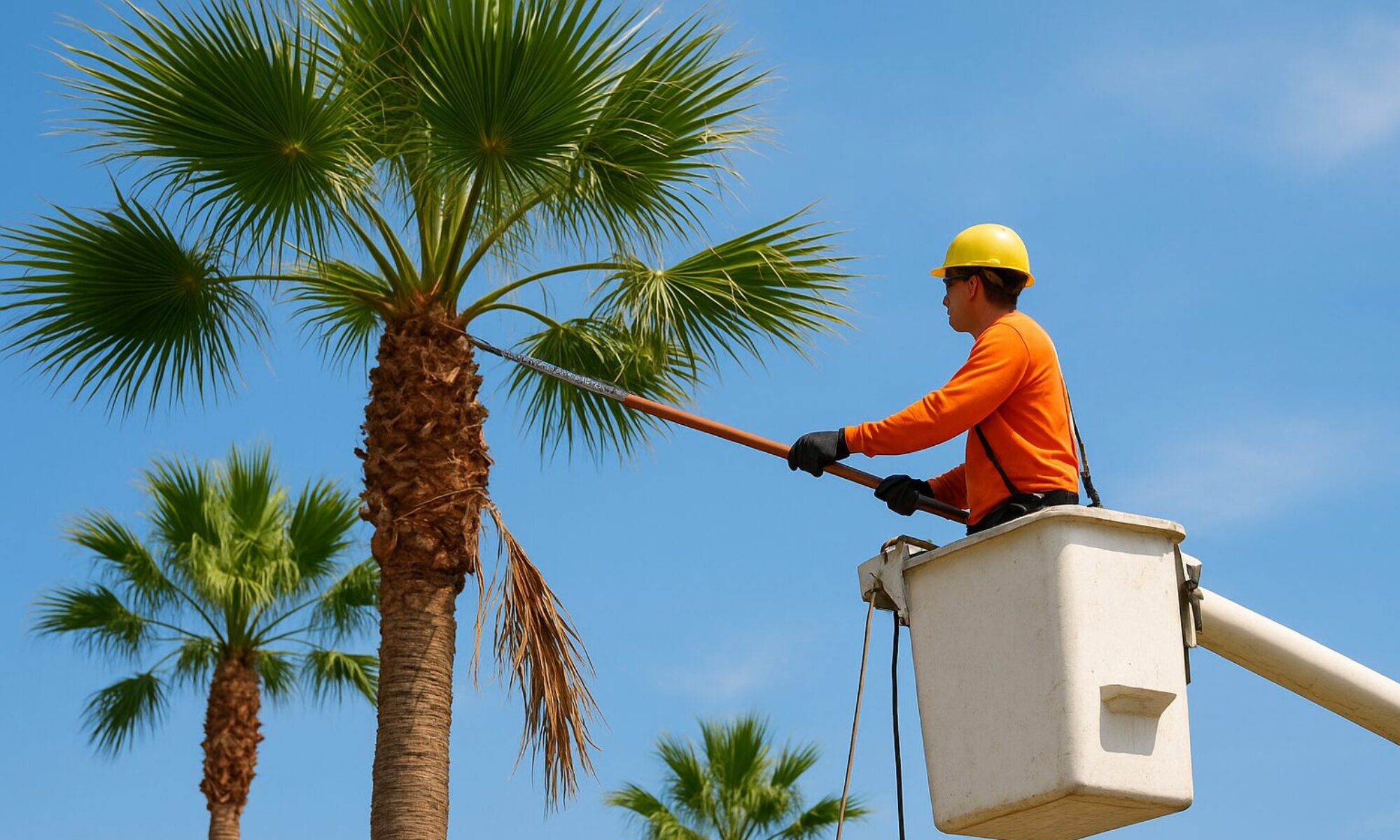
Key Takeaways: Stump Grinding in Central Florida
Findings & Species-Specific Insights
- Palm stumps grind 40-60% faster than hardwoods due to fibrous vascular structure rather than solid wood rings, but hollow centers can cause equipment vibration issues
- Eucalyptus stumps continue sprouting for 12+ months post-grinding, requiring ongoing herbicide treatment despite complete stump removal
- Fresh pine stumps with high sap content gum up grinding equipment; waiting several months for seasoning improves grinding efficiency by 30-50%
- Oak root systems extend 2-3x beyond canopy width in Central Florida’s sandy soil, requiring separate grinding to prevent future hazards
- Cypress stumps remain rot-resistant for decades even when submerged, making them among the toughest to grind despite softwood classification
Central Florida-Specific Considerations
- Year-round warm temperatures and 60%+ humidity turn stumps into pest breeding grounds within weeks, accelerating termite and carpenter ant colonization compared to temperate climates
- Sandy soil creates extensive lateral root systems as trees search for water and nutrients, increasing grinding complexity
- Hurricane-damaged stumps spike service demand 300-400%, creating 3-6 month wait times after major storms
- Waterlogged conditions in low-lying areas require specialized equipment for cypress and wetland tree stumps
Practical Processing Data
- Large Live Oak stumps (24″+ diameter) require 2-3 hours of grinding time and rapidly dull carbide teeth due to interlocking grain patterns
- Standard grinding depth of 6-12 inches below grade accommodates most residential landscaping; construction sites need complete root excavation
- A 24-inch diameter stump produces 3-5 wheelbarrows of wood chips, usable as garden mulch or soil amendment
- Citrus stumps should be ground immediately after removal to eliminate citrus greening and pathogen reservoirs affecting nearby trees
Cost & Efficiency Factors
- Tree species affects grinding time more than stump size: a 20″ oak stump takes longer than a 30″ palm stump
- Older, weathered stumps grind 25-40% faster than fresh cuts due to partial decomposition softening wood fibers
- Equipment access limitations increase job time 50-100%: backyard stumps requiring compact grinders take significantly longer than open-access locations
- Peak demand periods (November-April dry season) offer better equipment access but may have longer scheduling wait times
Safety & Environmental Considerations
- Ash tree stumps require prompt grinding to prevent emerald ash borer spread to healthy trees within 1-2 mile radius
- Decayed stumps infested with termites risk cross-contaminating grinding equipment, potentially spreading colonies to other properties
- Root flare zones require additional grinding passes to achieve level grade for lawn restoration
- Underground utilities and irrigation lines pose equipment damage risk in sandy soil where markers shift easily
Equipment & Professional Insights
- Hardwood species (oak, eucalyptus) dull grinding teeth 3-4x faster than softwoods, affecting operational costs
- Water spraying during grinding reduces airborne dust by 70% and prevents equipment overheating in Florida humidity
- Compact grinders fitting through 36-inch gates take 40-60% longer than full-size machines but enable backyard access
- Professional assessment identifies buried construction debris common in Central Florida development properties that can damage equipment
Stump Grinding in Central Florida: A Complete Guide
When a tree comes down in Central Florida, whether from a hurricane, disease, or planned tree removal, the stump left behind presents both an eyesore and a practical problem. Stump grinding has become the go-to solution for property owners throughout the region, offering an efficient way to reclaim yard space and eliminate the hazards that old stumps create. Understanding the nuances of stump grinding in Central Florida’s unique environment—and how different tree species affect the process—can help homeowners make informed decisions about their landscape maintenance.
Why Central Florida Stump Grinding Is Unique
Central Florida’s subtropical climate creates ideal conditions for rapid tree growth, but it also means that stumps left in the ground can become problematic quickly. The combination of high humidity, abundant rainfall, and warm temperatures year-round turns neglected stumps into breeding grounds for termites, carpenter ants, and fungi. These pests don’t confine themselves to dead wood—they often migrate to nearby structures, decks, or healthy trees, creating costly problems for homeowners.
The region’s sandy soil, while offering some advantages for stump removal, also presents unique challenges. Central Florida’s terrain lacks the rocky obstacles found in other parts of the country, which generally makes grinding easier. However, the loose, porous soil means that stumps can shift and settle over time, and roots may spread extensively in search of water and nutrients. This extensive root system is particularly common in the area’s diverse tree population.
Understanding the Stump Grinding Process
What Is Stump Grinding?
Stump grinding involves using a specialized machine equipped with a rotating cutting disk that chips away at the wood, reducing the stump to mulch-like fragments. Due to the expense of these machines it is often cost effective to hire a tree service to do this. Unlike stump removal, which involves excavating the entire root system, grinding focuses on the visible stump and the root crown just below the surface. The grinder typically processes the stump to a depth of 6 to 12 inches below ground level, though deeper grinding is possible when necessary.
The resulting wood chips can be used as mulch in garden beds or hauled away, and the depression left behind can be filled with soil and seeded for grass. This method is faster, less invasive to the surrounding landscape, and more cost-effective than full removal, making it the preferred choice for most residential properties in Central Florida.
How Different Tree Species Affect Stump Grinding
Central Florida’s landscape features a diverse array of native and non-native tree species, each presenting unique characteristics when it comes to stump grinding. Understanding these differences helps property owners set realistic expectations for the grinding process.
Palm Trees
Palm trees are iconic throughout Central Florida, from towering Royal Palms to the ubiquitous Sabal Palms (Florida’s state tree). Technically, palms aren’t trees at all—they’re more closely related to grasses—and their internal structure differs dramatically from hardwoods and softwoods. Palm “trunks” consist of fibrous vascular bundles rather than solid wood rings.
This fibrous composition makes palm stumps relatively easy to grind compared to traditional hardwoods. The material shreds into stringy, coarse fibers that process quickly. However, palm stumps can present a challenge: they’re often hollow or partially decayed at the center, which can cause the grinding disk to bog down or vibrate excessively. Additionally, palm stumps frequently have a dense, tough outer layer that requires sharp equipment. The root systems of palms tend to be shallow and spreading rather than deep and anchoring, which means less subsurface grinding is typically needed.
Oak Trees
Live Oaks and Laurel Oaks dominate many Central Florida neighborhoods, providing magnificent shade and character to the landscape. These hardwood stumps represent the most challenging grinding jobs. Oak wood is incredibly dense and durable, with interlocking grain patterns that resist cutting. A large Live Oak stump can take several hours to grind completely, and the process dulls grinding teeth quickly.
Oak stumps also feature extensive root systems that can spread two to three times the width of the tree’s canopy. These thick, woody roots often need to be ground down separately to prevent future tripping hazards or mowing obstacles. The silver lining is that oak stumps produce excellent mulch that breaks down slowly and enriches the soil as it decomposes.
Pine Trees
Slash Pines and Longleaf Pines are common throughout Central Florida, particularly in less developed areas and rural properties. Pine stumps fall into the softwood category, making them easier to grind than oaks but potentially trickier than palms. Fresh pine stumps contain high levels of sap and resin, which can gum up grinding equipment and create sticky, clumping wood chips.
Pine stumps that have been dead or seasoned for several months grind more efficiently as the sap dries and hardens. The root systems of pines typically include a prominent taproot that extends deep into the ground, though this usually doesn’t need to be ground out since it’s well below the surface. Pine stumps also tend to attract bark beetles and other wood-boring insects relatively quickly, so prompt grinding is advisable.
Cypress Trees
Bald Cypress trees thrive in Central Florida’s wetland areas and low-lying properties. These stumps present unique challenges due to their location—often in soggy soil or standing water—and their wood characteristics. Cypress wood is naturally rot-resistant and can remain solid for decades, even when submerged. This durability that makes cypress lumber so valuable also makes the stumps tough to grind.
The waterlogged conditions where cypress trees grow can bog down grinding equipment, and accessing the stump may require waiting for dry conditions or using specialized equipment. However, the wood itself has a relatively straight grain and grinds into fine, aromatic chips that are highly prized for landscaping mulch.
Eucalyptus Trees
Non-native eucalyptus trees have gained popularity in Central Florida for their fast growth and aromatic foliage. These stumps are notoriously difficult to deal with, regardless of removal method. Eucalyptus wood is extremely hard and dense, comparable to oak, and the trees have aggressive root systems that sucker readily, sending up new shoots even after the main trunk is removed.
Grinding a eucalyptus stump requires patience, sharp equipment, and often multiple passes. Property owners should be aware that even after thorough grinding, eucalyptus roots may continue to send up new shoots for a year or more, requiring ongoing vigilance and herbicide application.
Citrus Trees
Orange, grapefruit, and lemon trees are part of Central Florida’s agricultural heritage, though freezes have pushed commercial groves southward. Residential citrus trees are still common. These stumps are moderately easy to grind, falling between softwoods and hardwoods in difficulty. Citrus wood has a pleasant fragrance when ground, and the stumps are typically small to medium-sized, making them relatively quick jobs.
One consideration with citrus stumps is disease. Many citrus trees are removed due to citrus greening or other pathogens, and grinding the stump helps eliminate disease reservoirs that could affect nearby trees.
Maple and Ash Trees
Red Maples and various ash species are popular ornamental trees in Central Florida landscapes. These hardwood stumps grind with moderate difficulty—easier than oak but tougher than pine. They produce quality wood chips and don’t typically present unusual challenges. Ash trees, unfortunately, are increasingly threatened by the emerald ash borer, and infected trees should be removed and ground promptly to prevent beetle spread.
Additional Factors Affecting the Grinding Process
Beyond tree species, several other factors influence how stump grinding proceeds in Central Florida:
Stump Size and Age
Larger diameter stumps require more time and may need heavier equipment. Older, weathered stumps are often easier to grind than fresh cuts, as the wood has begun to soften through decomposition.
Root Flare and Surface Roots
Some trees develop dramatic root flares where major roots emerge from the trunk. These require additional grinding to level the area properly.
Soil Conditions
Central Florida’s sandy soil is generally favorable, but areas with buried rocks, construction debris, or underground utilities require careful navigation.
Equipment Access
Stump grinding equipment ranges from compact units that fit through gates to large machines requiring open access. Backyard stumps may need smaller equipment, which can extend the grinding time.
Decay and Infestation
Stumps that are already partially decayed or infested with termites may crumble easily but can also create safety hazards and spread pests to grinding equipment.
The Stump Grinding Process
Professional stump grinding typically begins with a site assessment. The operator identifies the tree species, measures the stump diameter, checks for obstacles, and plans access for equipment. Most residential jobs can be completed in one to three hours, though large or difficult stumps may take longer.
The grinding machine removes the stump in layers, working from the outside edges toward the center and gradually lowering the cutting depth. The operator must balance aggressive cutting with equipment protection, especially when grinding hard species like oak or eucalyptus. Fresh water may be sprayed on the cutting area to reduce dust and cool the machinery.
Once the stump is ground below grade, surface roots are addressed. In Central Florida’s sandy soil, these roots are usually ground to a depth where they won’t interfere with future landscaping. The resulting pile of wood chips can be substantial—a 24-inch diameter stump might produce several wheelbarrows full of material.
Conclusion
Stump grinding in Central Florida requires understanding both the regional environment and the characteristics of local tree species. While all stumps can be successfully ground, the difficulty, time, and cost vary significantly between a fibrous palm stump and a massive Live Oak. Property owners should choose experienced professionals familiar with Central Florida’s tree species and equipped to handle the specific challenges each presents. With proper grinding, even the most stubborn stump becomes a pile of useful mulch, allowing homeowners to reclaim their landscape and eliminate the problems that old stumps create.
Stump Grinding FAQ for Central Florida
What is stump grinding?
Stump grinding is the process of using a specialized machine to grind a tree stump down below ground level, typically 6-12 inches deep. The grinder uses a rotating cutting wheel with sharp teeth to chip away the wood into small mulch-like pieces, eliminating the visible stump and major root structure.
Why should I remove a tree stump?
Tree stumps can be problematic for several reasons:
- Safety hazards: Stumps create tripping hazards, especially in yards where children play or in high-traffic areas
- Pest attraction: Decaying stumps attract termites, carpenter ants, beetles, and other wood-boring insects that could spread to your home
- Landscaping obstacles: Stumps prevent you from mowing, planting, or using the space effectively
- Disease spread: Some tree diseases can remain in stumps and potentially infect nearby healthy trees
- Aesthetic concerns: Stumps are unsightly and can reduce your property’s curb appeal and value
How much does stump grinding cost in Central Florida?
Pricing typically ranges from $100-$400 per stump, depending on:
- Stump diameter (larger stumps cost more)
- Location and accessibility (stumps near fences, buildings, or in tight spaces may cost more)
- Number of stumps (many companies offer discounts for multiple stumps)
- Root system complexity
- Ground conditions
On average, expect to pay $3-$5 per inch of stump diameter. Always get multiple quotes from licensed, insured professionals.
What happens to the wood chips after grinding?
After grinding, you’re left with a pile of wood chips and sawdust. You have several options:
- Leave them as mulch: The chips can be spread around your garden beds or trees as organic mulch
- Fill the hole: Use the chips to fill the depression left by the stump, though they will settle over time as they decompose
- Remove them: Ask your contractor to haul away the chips (usually for an additional fee), or use them elsewhere on your property
- Compost them: Add them to a compost pile, though wood chips decompose slowly
Is stump grinding better than stump removal?
For most Central Florida homeowners, stump grinding is the preferred option because:
- It’s less expensive than full removal
- It’s faster and less disruptive to your yard
- It doesn’t leave a large crater in your lawn
- It’s sufficient for most landscaping purposes
Complete stump removal (pulling out the entire root ball) is only necessary if you’re planning construction in that exact spot or need to eliminate all traces of the tree.
How long does stump grinding take?
The time required depends on the stump’s size and complexity:
- Small stumps (under 12 inches): 15-30 minutes
- Medium stumps (12-24 inches): 30-60 minutes
- Large stumps (over 24 inches): 1-3 hours
- Multiple stumps: Plan for several hours
Can I grind a stump myself?
While stump grinder rentals are available at equipment rental stores, DIY stump grinding is challenging and potentially dangerous:
- The equipment is heavy, difficult to transport, and requires a vehicle with a trailer
- Grinders are powerful machines that can cause serious injury if mishandled
- You may hit underground utilities, rocks, or buried metal
- Improper use can damage the machine, resulting in costly fees
- Professional operators have experience and efficiency
For most homeowners, hiring a professional is safer and more cost-effective.
Are there any concerns specific to Central Florida?
Yes, several factors make stump grinding in Central Florida unique:
Sandy soil: Florida’s sandy soil makes grinding easier and faster, but stumps may have more extensive lateral root systems seeking water and nutrients.
Termites: Our warm, humid climate is ideal for termite activity. Removing stumps promptly helps prevent termite colonies from establishing near your home.
Hurricanes: After major storms, demand for stump grinding services spikes dramatically. Consider scheduling service soon after tree removal to avoid long wait times.
Year-round growth: Florida’s climate means tree roots remain active year-round, so stumps don’t “die back” as much as in colder climates before grinding.
Flooding: Low-lying areas may have stumps in occasionally wet soil, which can affect grinding conditions and scheduling.
When is the best time for stump grinding in Central Florida?
Stump grinding can be done year-round in Central Florida, but consider:
- Dry season (November-April): Easier access for equipment, less muddy conditions, more comfortable for outdoor work
- Rainy season (May-October): Ground may be softer (easier grinding) but equipment access can be challenging in wet areas
- After tree removal: It’s best to grind stumps within a few weeks to months after tree removal, before decay and pests become established
Will grinding damage my lawn or surrounding plants?
Professional stump grinders can usually work without significant damage, but expect:
- Some tire marks from the equipment
- A depression where the stump was (will settle further over time)
- Possible minor damage to nearby grass from wood chips
- Generally, surrounding plants and grass recover quickly in Florida’s growing climate
A skilled operator will minimize lawn damage by using plywood paths or working during drier conditions.
Do I need to do anything to prepare?
To prepare for stump grinding:
- Clear the area around the stump of rocks, decorations, and debris
- Mark any underground utilities, irrigation lines, or septic systems
- Remove any metal, such as nails or wire, from the stump if possible
- Ensure clear access for the equipment (typically needs a 36-inch wide path)
- Inform your neighbors if the work will be noisy
- Keep pets and children away from the work area
How deep will the grinder go?
Most professional stump grinders in Central Florida will grind:
- 6-12 inches below ground level (standard depth)
- Deeper grinding (up to 18 inches) is available for an additional cost
- This depth is sufficient for laying sod, planting grass, or most landscaping projects
If you plan to build a structure on the site, you may need complete root removal rather than just grinding.
Can I plant a new tree where the stump was?
Yes, but with some considerations:
- Wait several months for the wood chips to begin decomposing
- Remove most of the wood chips and add fresh topsoil
- Plant the new tree slightly offset from the old stump location if possible, as remaining roots may interfere with growth
- Some experts recommend waiting 6-12 months for best results
- Consider that the new tree may struggle if the old tree died from disease
For immediate replanting, remove more wood chips and bring in quality topsoil to give the new tree the best start.