The Complete Guide to Hiring a Tree Service in Orlando, Florida
Orlando’s subtropical climate creates ideal conditions for lush, thriving trees, but it also presents unique challenges for property owners. Hurricane season, rapid growth cycles, and pest pressures mean that professional tree care is not just a luxury—it’s a necessity for maintaining safe, beautiful, and valuable properties throughout Central Florida.
Understanding Orlando’s Unique Tree Care Needs
Orlando’s climate zone and weather patterns create specific requirements for tree maintenance. The combination of high humidity, intense summer heat, afternoon thunderstorms, and hurricane threats means that trees in the Orlando area require specialized care. Local tree species like live oaks, palm trees, Southern magnolias, and crape myrtles each have distinct maintenance requirements that qualified arborists understand.
The hurricane season, which runs from June through November, makes proper tree maintenance particularly critical. Weak branches, diseased trees, or improperly pruned specimens can become dangerous projectiles during tropical storms and hurricanes. Professional tree services help identify and mitigate these risks before severe weather arrives.
Essential Qualifications to Look For
When searching for a tree service company in Orlando, certain credentials and qualifications should be non-negotiable. These certifications protect both you and your property while ensuring quality work.
Licensing and Insurance Requirements
Any reputable tree service operating in Orlando must carry proper licensing through the state of Florida. This includes a business license and, for larger operations, appropriate contractor licensing. However, insurance matters even more than licensing when it comes to protecting your interests.
A professional tree service should carry comprehensive general liability insurance with coverage of at least one million dollars. This protects your property if equipment damages your home, fence, or other structures. Equally important is workers’ compensation insurance, which protects you from liability if a crew member is injured on your property. Tree work ranks among the most dangerous occupations, making this coverage essential.
Always request certificates of insurance before work begins. Contact the insurance company directly to verify coverage is current and active. Legitimate companies provide this documentation without hesitation.
Certifications and Professional Credentials
Look for companies that employ ISA Certified Arborists (International Society of Arboriculture). This certification requires extensive knowledge of tree biology, proper pruning techniques, disease diagnosis, and safety protocols. Certified arborists must complete continuing education to maintain their credentials, ensuring they stay current with best practices.
Florida Certified Arborist credentials, issued through the University of Florida’s IFAS Extension program, demonstrate additional expertise specific to Florida’s unique tree species and climate challenges. These professionals understand local pests like the palm weevil, diseases such as laurel wilt, and invasive species that threaten Central Florida’s urban forest.
Services You May Need
Tree service companies in Orlando typically offer a range of specialized services. Understanding what you need helps you communicate effectively with contractors and obtain accurate estimates.
Tree Trimming and Pruning
Regular pruning maintains tree health, improves appearance, and reduces hazards. Professional arborists follow industry standards for making proper cuts that promote healing and growth. In Orlando, pruning often focuses on creating wind-resistant canopies that better withstand hurricane-force winds. This involves techniques like crown thinning, which reduces wind resistance while maintaining the tree’s natural shape.
Timing matters significantly in Orlando’s climate. Many deciduous trees should be pruned during dormancy in late winter, while palms can be trimmed year-round. However, oak trees require special timing considerations to prevent oak wilt disease transmission.
Tree Removal
Sometimes removal becomes necessary due to disease, storm damage, construction requirements, or safety concerns. Professional tree removal in Orlando requires careful planning, especially in residential neighborhoods where trees may be near structures, power lines, or neighboring properties.
Complete removal includes stump grinding, which eliminates trip hazards and prevents regrowth. Some companies offer stump grinding as a separate service, so clarify what’s included in removal quotes.
Emergency Storm Services
Hurricane and severe weather damage often requires immediate attention. Many Orlando tree services offer 24/7 emergency response for fallen trees, hanging branches, or trees leaning dangerously toward structures. Establishing a relationship with a tree service before storm season means you have trusted professionals to call when emergencies arise.
Plant Health Care
Beyond cutting and removal, comprehensive tree services provide disease diagnosis, pest management, fertilization, and preventive care. Orlando’s pest pressures include palm borers, scale insects, and various fungal diseases. Professional plant health care programs keep trees thriving and catch problems early when treatment is most effective.
The Hiring Process: Step by Step
Finding and hiring the right tree service requires a systematic approach that protects your interests while securing quality work.
Research and Initial Contact
Start by seeking recommendations from neighbors, local gardening groups, or community social media pages. Online reviews provide valuable insights, but read them critically—look for patterns rather than focusing on isolated complaints or praise.
When contacting companies, ask about their experience with your specific needs. If you have mature live oaks, find a company experienced with these valuable trees. For palm tree maintenance, seek specialists who understand the unique requirements of these monocots.
Getting Multiple Estimates
Request written estimates from at least three companies. Detailed estimates should specify exactly what work will be performed, equipment to be used, cleanup procedures, and timeline for completion. Vague estimates like “trim trees: $500” provide no protection if disputes arise about scope of work.
During estimate appointments, observe how professionals assess your trees. Qualified arborists examine trees carefully, may use diagnostic tools, and explain their recommendations thoroughly. Be wary of contractors who rush through estimates or immediately recommend removing trees without explaining why.
Red Flags to Avoid
Several warning signs indicate an unprofessional or potentially fraudulent operation. Door-to-door solicitors, especially those offering deals on “leftover materials” from nearby jobs, often provide substandard work or disappear after collecting deposits.
Avoid companies that refuse to provide insurance documentation, offer prices significantly lower than competitors, or pressure you to make immediate decisions. Legitimate professionals understand that tree work represents a significant investment and respect your need to research options.
Tree topping—cutting the entire top off a tree—is an outdated and harmful practice that modern arborists condemn. Companies that recommend or perform topping lack proper training and should be avoided.
Understanding Costs and Contracts
Tree service costs in Orlando vary widely based on tree size, location, accessibility, and work complexity. Small tree trimming might cost a few hundred dollars, while removing a large oak near structures could run several thousand dollars.
Pricing Factors
Height and diameter significantly affect costs—taller trees require more equipment and labor time. Trees near buildings, power lines, or in backyard locations with limited access cost more than those in open areas. Removal generates more waste than trimming, affecting disposal costs.
Emergency services naturally command premium pricing due to immediate availability and often dangerous working conditions. However, non-emergency work quoted at “emergency” rates suggests price gouging.
Contract Essentials
Never begin work without a written contract. Effective contracts specify all work to be performed, start and completion dates, total cost with payment schedule, insurance information, and cleanup procedures. The contract should also address how unexpected issues will be handled—for example, if pruning reveals extensive decay requiring removal.
Avoid paying the full amount upfront. Reasonable payment terms might include a small deposit with the balance due upon completion, or progress payments for large projects. Final payment should be withheld until you inspect completed work and verify proper cleanup.
Questions to Ask Before Hiring
Prepare specific questions for potential contractors to assess their professionalism and expertise:
- How long have you operated in the Orlando area?
- What certifications do your crew members hold?
- Can you provide references from recent projects similar to mine?
- What specific techniques will you use for this work?
- How will you protect my property during the work?
- What is your cleanup policy?
- Do you have equipment to handle large debris removal?
- What happens if unexpected damage occurs?
- How do you handle permit requirements if needed?
The quality of answers reveals much about a company’s professionalism and expertise. Knowledgeable contractors answer confidently and specifically, while unqualified operators provide vague or evasive responses.
Seasonal Considerations for Orlando
Timing affects both scheduling and pricing. Spring and early summer see increased demand as property owners prepare for hurricane season. Scheduling work during fall or winter may offer more flexibility and potentially better pricing.
However, certain work shouldn’t wait for convenient timing. Dead trees, diseased specimens, or branches overhanging structures require prompt attention regardless of season. Emergency situations obviously can’t be scheduled around seasonal preferences.
The Value of Ongoing Relationships
Establishing a relationship with a qualified tree service provider offers long-term benefits. Companies familiar with your property provide better service because they understand your trees’ history and your preferences. Many offer maintenance programs with scheduled visits at reduced rates, ensuring consistent care while spreading costs throughout the year.
Regular maintenance prevents many expensive problems. Annual inspections catch disease early, routine pruning prevents storm damage, and proper fertilization maintains vigor that helps trees resist pests and environmental stress.
Frequently Asked Questions
How much does tree removal cost in Orlando?
Tree removal costs in Orlando typically range from $300 for small trees to $3,000 or more for large specimens near structures. Factors affecting price include tree height, diameter, location, accessibility, and disposal requirements. Emergency removals cost more than scheduled work. Always obtain multiple written estimates that detail exactly what work is included.
Do I need a permit to remove a tree on my property in Orlando?
Permit requirements vary by location within the Orlando area. The City of Orlando requires permits for removing certain protected trees, particularly large specimens or heritage trees. Orange County and surrounding municipalities have their own regulations. Your tree service company should understand local permit requirements and can often handle applications on your behalf. Removing trees without required permits can result in substantial fines.
When is the best time to trim trees in Orlando?
Timing depends on tree species. Many deciduous trees benefit from pruning during late winter dormancy. However, oak trees in Florida should be pruned during dormant periods (typically late fall through early spring) to minimize oak wilt disease risk. Palm trees can be trimmed year-round. Avoid heavy pruning right before hurricane season, as trees need time to heal. A certified arborist can recommend optimal timing for your specific trees.
How do I know if a tree needs to be removed or can be saved?
Signs that may indicate removal necessity include extensive decay in the trunk or major branches, severe lean toward structures, dead or dying canopy exceeding 50%, root damage from construction, or disease that can’t be treated effectively. However, many concerning symptoms can be addressed through proper care. A certified arborist should evaluate questionable trees to determine if treatment or removal is the best option.
What’s the difference between tree trimming and pruning?
These terms are often used interchangeably, though pruning technically refers to selective removal of specific branches for tree health, while trimming may include shaping for appearance. Professional arborists use proper pruning techniques that follow branch collar location and make cuts that promote healing. Both should follow ANSI A300 standards to ensure tree health and safety.
Are palm trees trimmed differently than other trees?
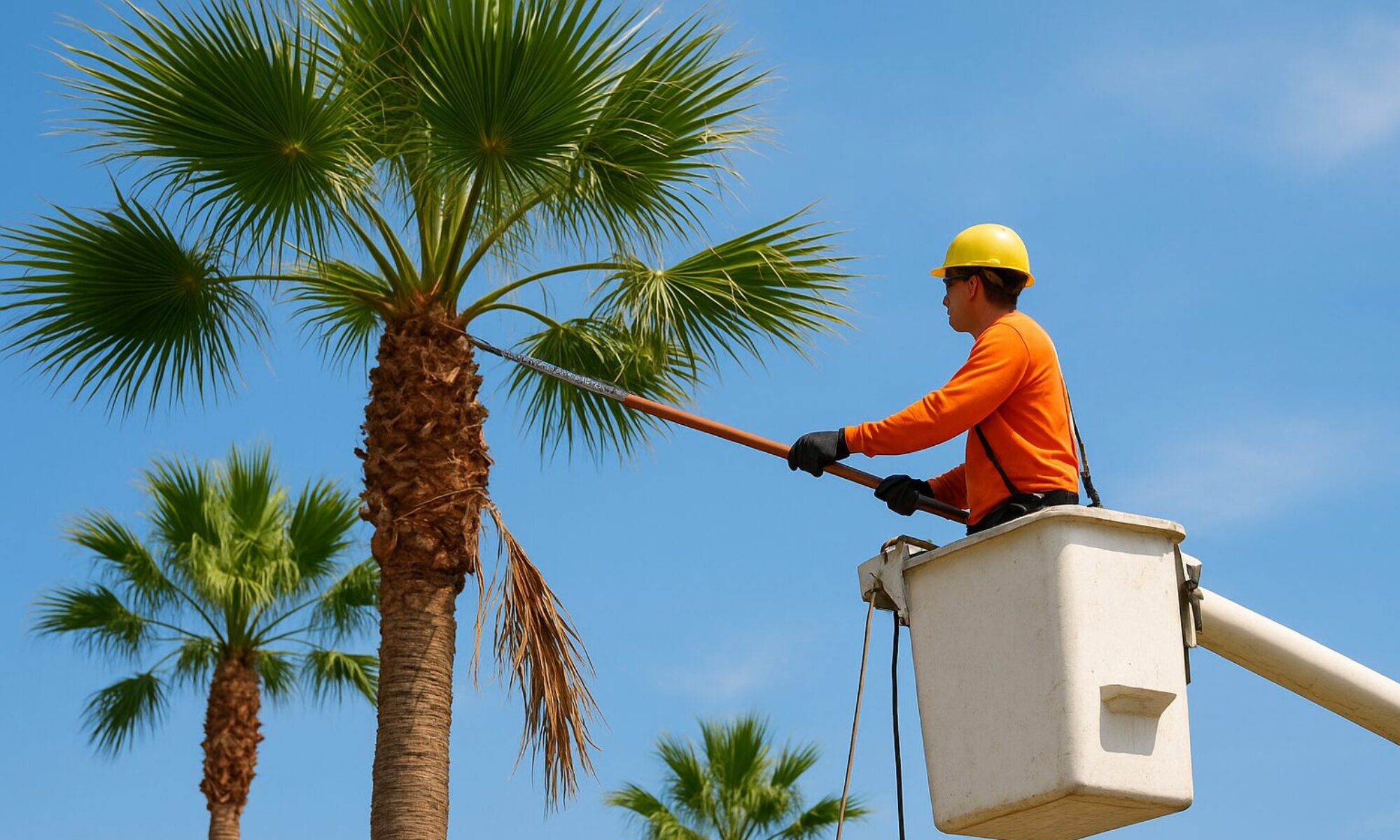
Yes, palms require specialized techniques because they’re monocots, not true trees. Only dead or damaged fronds should be removed—never trim green fronds as they’re essential for palm health. The “hurricane cut” that removes most fronds actually weakens palms and is discouraged by arborists. Palm trimming shouldn’t remove more than the year’s growth. Certified arborists understand these unique requirements.
How quickly can emergency tree service respond after a storm?
Response times vary based on storm severity and demand. After major hurricanes, emergency services may be backlogged for days or weeks. Companies typically prioritize dangerous situations—trees on houses or blocking roads—over less urgent cleanup. Establishing a relationship with a tree service before storm season can improve response times. Some companies maintain priority lists for existing customers during emergencies.
What should I do to prepare trees for hurricane season?
Schedule professional inspection and pruning well before June. Arborists can identify weak branches, improve canopy structure for wind resistance, and remove dead wood. Ensure trees are properly watered and mulched to maintain root health. Remove any stakes or wires that could damage trees in high winds. After pruning, allow at least several weeks for trees to heal before storm season begins. Never top trees, as this creates weak regrowth that’s more vulnerable to wind damage. Learn more here